
WELCOME TO THE MARINE MAMMAL RESEARCH UNIT
MMRU conducts research of the highest standards to enhance marine mammal conservation and reduce conflicts with human uses of our shared oceans.
MARINE MAMMAL RESEARCH NEWS
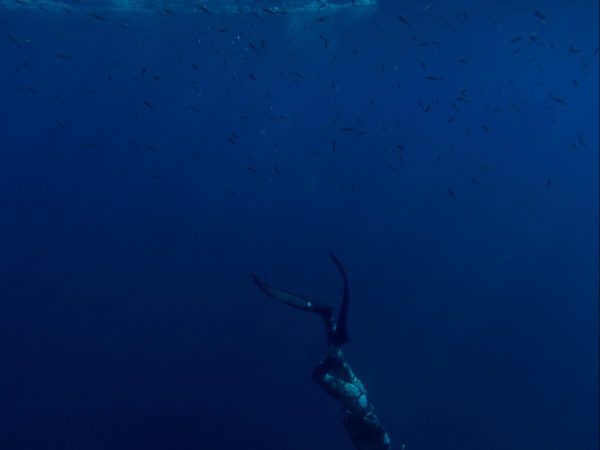
How do marine mammals make decisions about diving?
PhD candidate Rhea Storlund decided to take an unconventional approach to understand how marine mammals dive by asking human breath-hold divers about the decisions they make.
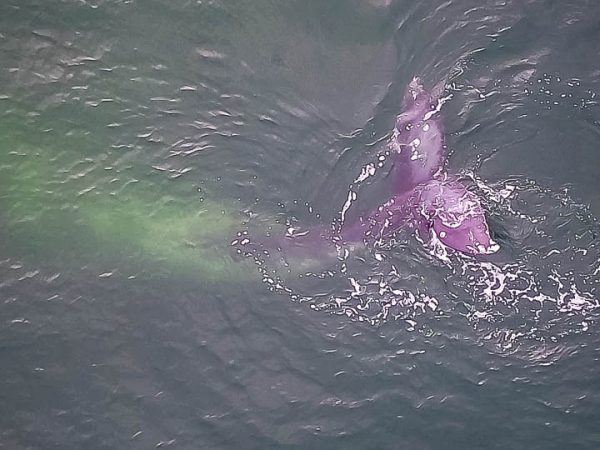
Grey Whales — the other Pacific Northwest resident whale
Grey whales face many threats ranging from entanglements and ship strikes, to loss of habitat and reduced prey availability. Researchers are collecting data this summer needed to quantify and mitigate these threats.

Northwest Student Chapter of the Society for Marine Mammalogy
Northwest Student Chapter of the Society for Marine Mammalogy Annual Conference was a Huge Success
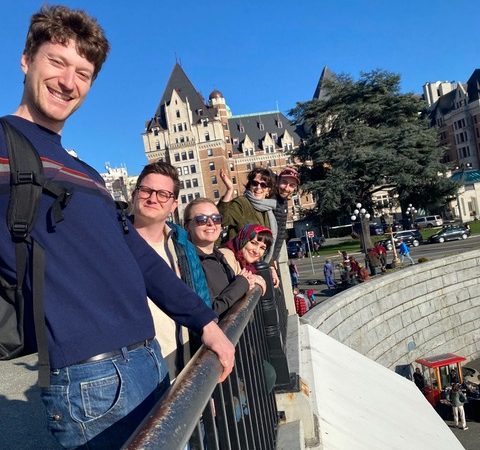
It’s Been Two Years!
Last week graduate students from the Marine Mammal Research Unit attended their first in-person conferences in two years!
RECENT PUBLICATIONS
[webref_pretty alias=”MMRU” subsection=”Refereed Publications” year_start=in_press year_end=2021]
MMRU on INSTAGRAM